I Am Thankful For by Nancy J Carmody I am thankful for …..the mess to clean up after a partybecause it means I have been surrounded by friends. …..the taxes that I paybecause it means that I’m employed. …..the clothes that fit a little too snugbecause it means I have...
Gratitude by Edgar Albert Guest Be grateful for the kindly friends that walk along your way,Be grateful for the skies of blue that smile from day to day,Be grateful for the health you own, the work you find to do,For round about you there are men less fortunate than...
I’m grateful for change, the ups and the downs, Both happiness and sadness, the smiles and the frowns.I’m grateful to writing for giving me pause, To examine the world, for its beauty and flaws. To cheese, I thank you for obvious reasons, And I too must show love to...
The Most Important Things in Life The most important things in lifeAre not ‘things,’ most knowIt’s the people in our livesWho make our Hearts grow Our family of Loved onesAre the most important of allThey fill our lives with memoriesEspecially those who are small The...
"Invictus" is a short poem by English poet William Ernest Henley. Henley wrote it in 1875, and in 1888 he published it in his first volume of poems, Book of Verses, in the section titled "Life and Death".
INVICTUS 👏🙏
Out of the night that covers me, Black as the pit from pole to pole, I thank whatever gods may be For my unconquerable soul.
In the fell clutch of circumstance I have not winced nor cried aloud. Under the bludgeonings of chance My head is bloody, but unbowed.
Beyond this place of wrath and tears Looms but the Horror of the shade, And yet the menace of the years Finds and shall find me unafraid.
It matters not how strait the gate,
How charged with punishments the scroll, I am the master of my fate, I am the captain of my soul
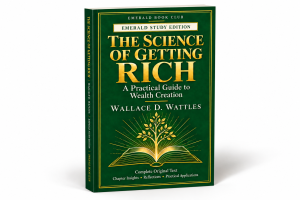
Dive into captivating worlds, engage in thought-provoking discussions, and connect with fellow bookworms who share your passion for literature. Whether you're an avid reader, a casual browser, or someone looking to explore new genres, there's a place for you here amidst the emerald pages of our virtual library. #emeraldbookclub#bookstagram#book#bookworm#booknerd#booklover#booklovers#bookaddict